 |
|---|
 |
 |
 |
 |
 |
 |
 |
 |
 |
 |
 |
 |
 |
 |
 |
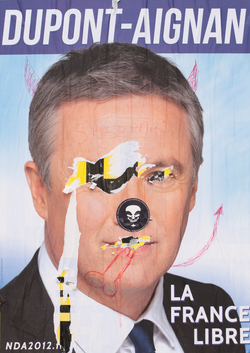 |
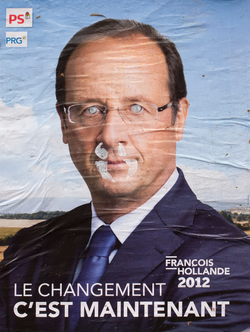
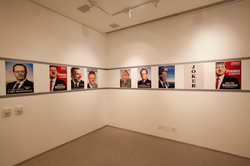
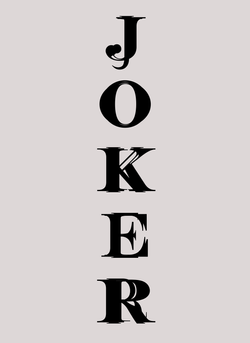
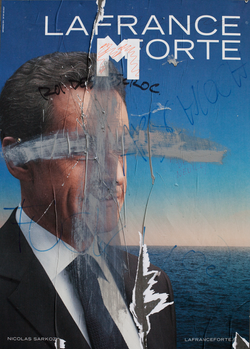
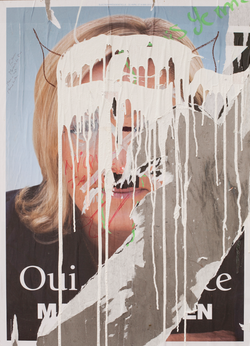
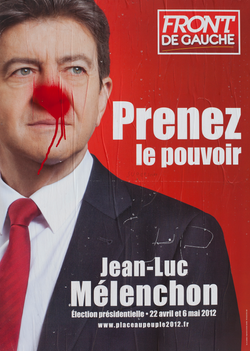
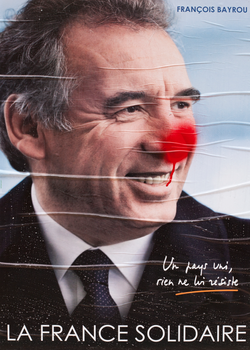
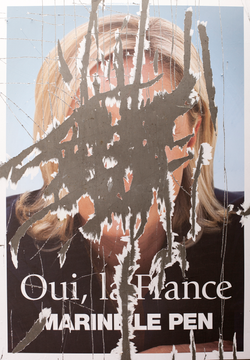
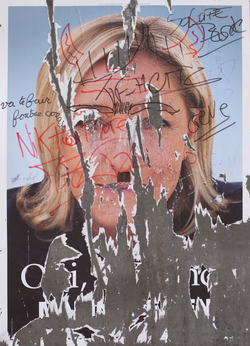
Joker seems to appear as a coincidence between the surfaces of the works and the photographed objects. This is a collection of enlarged photos that isolate political campaign bills pasted onto walls and posts, re-presented as posters. The fact that they are not the campaign bills themselves, but rather photos of them after having been spread and posted around the city, seems, at least here, relevant.
The series reveals the artists’ abstention (the series was produced in partnership with Beatriz Toledo) in relation to the objects, in such a way that the works show the defacing, the rips and the writing that were anonymously done on and to the bills, across the faces of the politicians reproduced there. An abstention that holds all the interventions to the images in equal stock, making them almost testimonies of “artistic value” or “expressive”, surfacing from the juvenile anonymity in the city setting. Any claim of a political nature that may lie in the torn bills – the work seems to say –, either has an “expressiveness” that takes the foreground, or becomes a game of words and images, quickly expressing themselves.
Yet, noticing the cracks of the walls that are visible on the outer margins of a number of images, or the bumps and ridges caused by the glue used to paste the bills, it is not the graffiti, nor the bills themselves, that this works seeks; nor the circulation of commercial images, nor what they are later made of. What may be in play in these works is, as they say, a “realist look at the way these images appear in contemporary culture, an investigation into the possible concrete existence of all which would seek pure circulation, pure messages...”
(extracted from the exhibition text by Carlos Eduardo Riccioppo)